EDR Systems -

Endpoint Detection and Response

What is EDR?

EDR-class systems focus on real-time monitoring and securing network endpoints such as computers, servers, and mobile devices.

EDR introduces an innovative approach to security telemetry that goes beyond traditional log and alert collection—it analyzes detailed behavioral data, enabling more accurate differentiation between normal user activity and potential threats.

Incident monitoring with EDR systems is a foundation of a modern SOC (Security Operations Center). Unlike traditional solutions based solely on SIEM, EDR gives analysts the ability to respond to incidents more effectively.

EDR addresses 70% of attack techniques

EDR is a cornerstone of IT security—it covers most of the attack techniques described in the MITRE ATT&CK matrix. It enables precise tracking of events occurring on endpoints, which is especially important because cybercriminals often leave traces there. In addition, EDR systems provide:

A preventive approach to cybersecurity
Attackers can gain access to a system and remain undetected for weeks or even months. With EDR, suspicious activity can be identified at an early stage—before serious consequences occur. EDR systems also make it possible to quickly identify the source of an attack, which significantly accelerates threat mitigation.
Detailed behavioral data
An increasing number of attacks are carried out without using malicious code, which means traditional antivirus solutions are no longer sufficient. The only effective way to detect such threats is advanced behavioral analysis. Thanks to this approach, EDR can effectively detect both known attacks and zero-day threats.
Effective mitigation of false alerts
False positives distract security teams, drain resources, and increase the risk that real threats will go unnoticed. EDR reduces the number of false alerts by precisely distinguishing legitimate activity from malicious behavior based on historical data and behavioral analysis. This allows security teams to focus on real threats, significantly improving operational efficiency.
Active threat response
Unlike SIEM, EDR systems are equipped with advanced protection mechanisms against tampering. EDR operates proactively, isolating infected files, devices, or processes in real time—regardless of the host’s location.
NEED AN EDR SOLUTION? CONTACT OUR TEAM

EDR system capabilities

Real-time threat detection – Thanks to built-in AI and Machine Learning (ML) mechanisms, EDR systems can quickly detect anomalies at the operating system level. They identify known threats, new attack techniques, and advanced methods of concealing malicious code, such as polymorphism and obfuscation.

Automated response and post-incident analysis – EDR systems automatically isolate an infected device, file, or process immediately after a threat is detected. Using the collected telemetry data, they help organizations address vulnerabilities and continuously improve their IT security infrastructure.

System rollback to the pre-attack state – EDR systems support business continuity by minimizing downtime and the losses caused by incidents.

Modern EDR solutions from our partners

We have the most extensive experience in the market in deploying EDR systems, backed by complex implementations in demanding, international environments. This enables us to tailor each solution to the specific needs of an organization, ensuring effective protection against real-world threats.

Cybereason
Fidelis Security
Palo Alto
SentinelOne
CrowdStrike

SOC service based on EDR

As the SOC360 team, we work with EDR/XDR tools that allow us to precisely track events occurring on endpoints.

Thanks to EDR solutions, we can respond quickly to incidents—for example, by immediately stopping malicious processes and isolating them in quarantine. In addition, we use NDR systems that monitor network traffic, enabling us to detect events that may have been missed by other security tools.

We also frequently correlate data from different systems using SIEM platforms, which play a complementary role in our operations.

Moreover, we have a laboratory for detonating and analyzing suspicious files whose functions and purpose are unknown, as well as a lab for testing new technologies so we can evaluate new systems before deployment.

We are also supported by a development team that customizes ticketing systems, builds automation, and writes scripts that assist in incident analysis and internal data processing.

LEARN ABOUT SOC360

FAQs

SIEM is the central point for processing all IT security–related events in an organization. It works by collecting, storing, and analyzing logs and data from various sources across the company’s network, such as network devices, servers, applications, and endpoints.

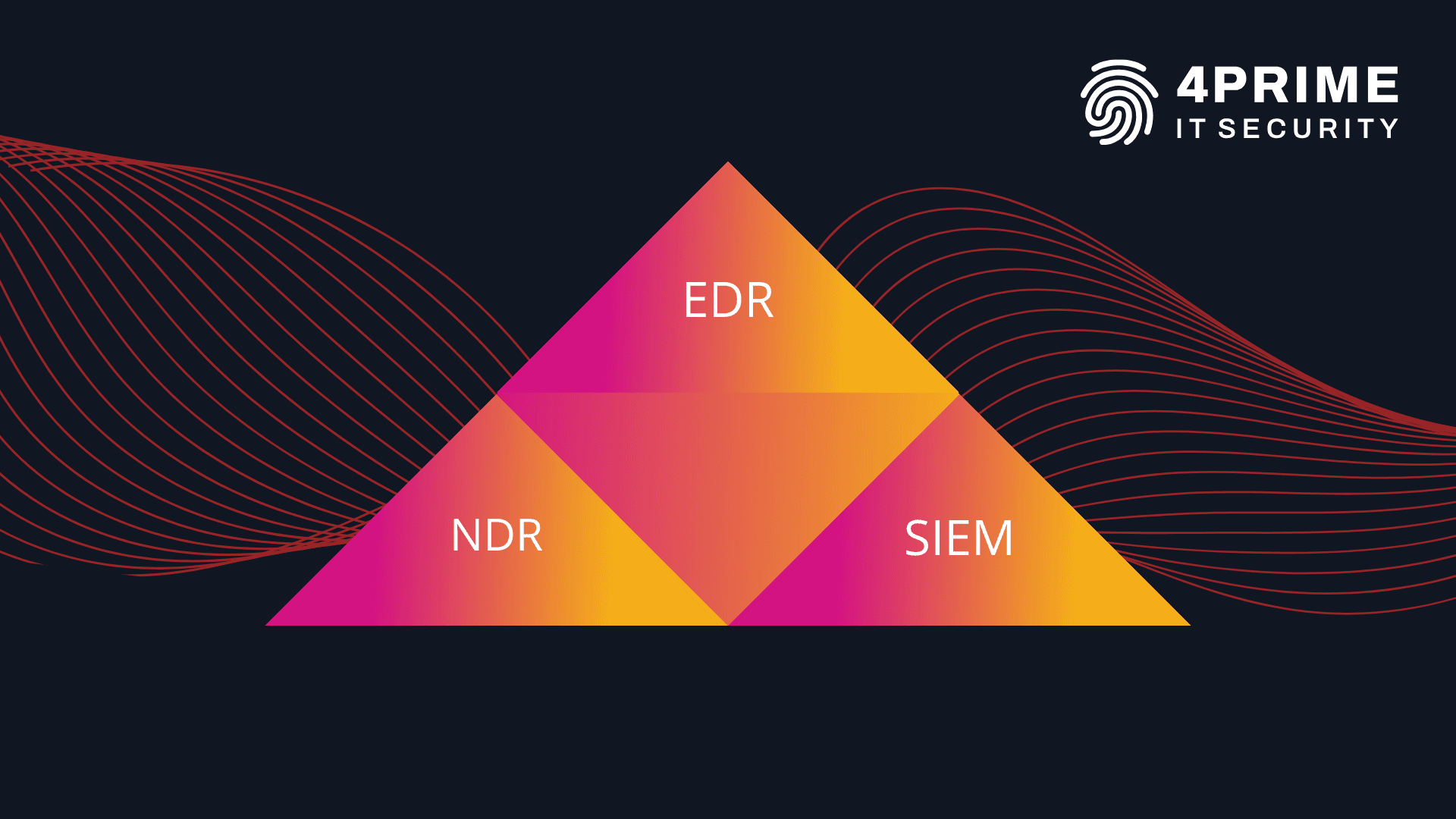
SIEM relies on predefined correlation rules, which makes it ineffective against modern, advanced attack techniques. In a world where most cybercriminals use specially crafted, customized, and obfuscated malware, SIEM alone is no longer sufficient—we need advanced telemetry. That’s why EDR and NDR solutions should form the foundation of a SOC, with SIEM serving only as a complementary layer.

EDR outperforms SIEM in many areas:

  • Cost and efficiency of telemetry data – The volume of endpoint telemetry data collected by SIEM generates high licensing costs. EDR is more cost-effective and significantly optimizes expenses.

  • Self-protection and resilience (anti-tamper) – Log delivery mechanisms to SIEM systems lack self-defense features and can be easily disabled during an attack. EDR systems, on the other hand, include advanced protection against tampering.

  • Active threat response – EDR operates proactively, isolating infected files, devices, or processes in real time, regardless of the host’s location. SIEM is a passive tool—it analyzes data and sends alerts but does not provide immediate response.

  • Direct detection and prevention at endpoints – EDR works directly on endpoints, enabling fast prevention, detection, and mitigation of threats. SIEM may experience delays in threat detection because analysis takes place in a central system.

  • Intuitive data presentation – In EDR, data visualization is tailored to the nature of the information. SIEM requires additional configuration to effectively visualize endpoint data.

Antivirus software is based on signatures, which means it only protects against known threats. Moreover, today’s code obfuscation and polymorphism techniques used by cybercriminals make antivirus solutions increasingly ineffective—something clearly demonstrated by the many ransomware incidents in recent years. In addition, more and more attacks are carried out without using malicious code, which means advanced behavioral analysis is often the only way to detect threats.

Today, the only truly effective way to protect against advanced threats is through EDR and NDR systems, which collect rich telemetry data and focus on detecting and blocking anomalies.

Although EDR addresses most of the attack techniques described in the MITRE ATT&CK framework, it is only one component of a security architecture. First, someone has to handle the alerts that are generated—this requires an expert SOC team. Second, EDR protects only endpoints. Organizations must also secure their network and its perimeter—this is where NDR, NGFW, and VPN solutions come into play. You can read more about the key elements of a security architecture on our blog.

Read more

The attack on your company could have started a month ago.

Check how you can secure your organization today.